By Waqar Abdullah
The Quick Overview
In the world of ‘The Elite Food Restaurants’, ‘The Tresind Studio – Dubai’ is the most amazing experience in the world in terms of food, luxury, and ambiance.
Trèsind Studio blends avant-garde food storytelling with genuine and deeply rooted Indian heritage. Situated at the heart of The Palm Jumeirah, it is a must-visit for foodies and celebratory food lovers seeking a world first.
- Price Point: Ultra-Luxe
- Must-Order Dish: The “Sadhya” (A modern reimagining of the Kerala feast)
- Best For: Anniversary Dinners, Milestone Celebrations, or Culinary Adventurers
- Address: St. Regis Gardens, The Palm Jumeirah, Dubai, UAE
The Concept & First Impressions
Immerse Yourself in the Elevated Elegance and Sophisticated Energy
The Arrival: Stepping into a World of High-Octane Luxury
As one steps into the St. Regis Gardens at The Palm Jumeirah, one is immediately aware that they are in a realm of luxurious elegance. The trip down to Trèsind Studio is akin to a deliberate departure from the sparkling, high-octane environment that pervades Dubai streets. Once one reaches the entrance, a thick, unobtrusive door opens up to a space that is more akin to a private art gallery than a conventional dining space. Soothing, golden lighting plays across minimalist décor, and the aroma of indigenous Indian spices wafts through the space. This is important in the narrative as one is being prepared for a sensory immersion. One is immediately aware that one is no longer in the outside world but in a space that is imbued with a sense of hushed reverence for the culinary arts. The “feel” of this space is one of utmost intimacy.

The Reputation: A Homegrown Success Story That Conquered the World
While Dubai boasts its fair share of heavy-hitting chefs who are imported from London and Paris, there are few who are as fiercely proud of being homegrown as Trèsind Studio. It was initially conceived as a small, experimental ‘studio’ within another restaurant on Sheikh Zayed Road. Over the years, the brand has been built through relentless innovation and avoiding the use of clichéd versions of Indian cuisine. Having been conceived within the melting pot of the UAE, it has a unique DNA that combines the best of local and international cuisine. It now stands as the flagship of the Passion F&B portfolio, representing the very best of what they do. Their rise to three Michelin stars is a historic achievement for Dubai on the world stage.
The Hook: The Dual-Terrace Perspective of a Shimmering Metropolis
The key element that makes Trèsind Studio stand out from the thousands of other restaurants in the area is their dedication to “Total Immersion.” In all high-end restaurants, the food is the focal point. In this place, the story is the main ingredient. Chef Himanshu Saini doesn’t just present recipes; he presents the entire Indian subcontinent through the lens of modern art and indigenous botanical science. For example, the “Rising India” menu offers a geographical map of your taste buds. Additionally, the restaurant has its own rooftop garden in the middle of the city to provide fresh food that cannot be found in the desert. The hook for this place is the rare opportunity to see a three-star kitchen bring life to ancient memories through futuristic means.
The Setting: Interior Design & View
The Decor: A Masterclass In Modern Glamour and Metallic Accents
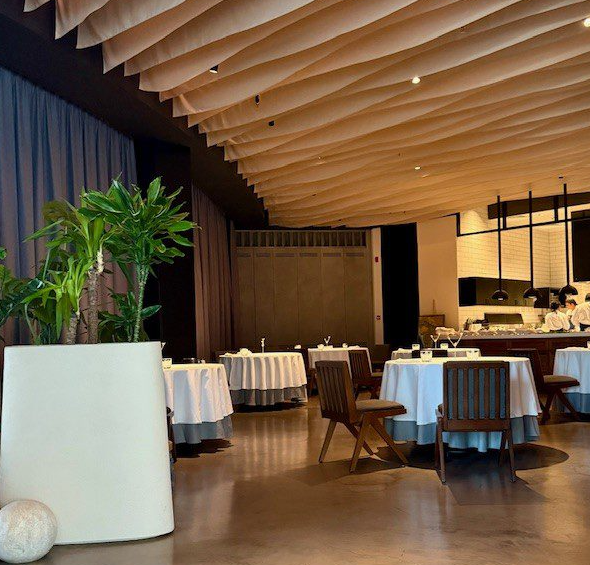
The interior of Trèsind Studio avoids the common pitfall of over-the-top, gilded Indian décor in favor of a sophisticated and minimalist “Scandi-Indian” fusion. Note the emphasis on natural materials such as light-wood tones, stone, and fabrics that provide a serene and uncluttered space. This choice in décor ensures that the pops of color from the food remain the undisputed hero of your evening. The lighting in the space is also noteworthy in its importance in directing your eye to the focal point of the room. The narrow spotlighting is precisely aimed at each and every white-clothed table, imbuing a sense of private performance within the space itself. The remainder of the space is in deep shadow, creating an atmosphere of utter exclusivity and intimacy. The overall mood is one of quiet intensity, allowing diners to take in the beauty of the architecture of their plates without visual distractions.
The Dubai Factor: A 360-Degree Visual Feast of the City
While many restaurants in the city vie for a glimpse of the Burj Khalifa, Trèsind Studio offers a more refined “Dubai Factor” from their spot at the St. Regis Gardens. The restaurant offers expansive, panoramic views across the trunk of The Palm Jumeirah and across to the sparkling Dubai Marina skyline. There is nothing quite like watching the sun set over the Arabian Gulf as the twinkling nightlights come on across Dubai. From this elevated spot, you are reminded that you are dining in the heart of one of the most audacious engineering feats in one of the world’s most ambitious cities. And yet, due to its proximity to the Nakheel Mall and Palm Tower, there is also a certain level of urbanity to this already sophisticated garden setting. It is a perfect balance between a private studio and Dubai’s most famous coastal landmark.
Seating: From Indoor Intimacy to Al Fresco Elegance
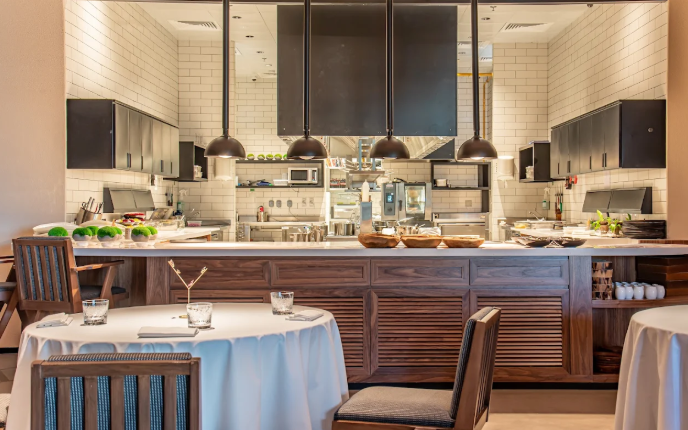
The seating arrangement at the Studio is geared towards accommodating the pure food enthusiast as well as the social foodie. Once inside, the restaurant boasts a dining space with a mere 20 seats available, but they are situated in such a manner that they offer a front-row seat to the kitchen staff’s rhythmic motion. However, as the Dubai “winter” begins, the outdoor seating arrangement is by far the most popular in Dubai. This outdoor seating arrangement is akin to sitting in the soul of the restaurant, as one is surrounded by the lush greenery of their rooftop garden. Not only will one be able to take in the cool evening air, but one will also be able to take in the sights and smells of the very herbs and flowers that are used in one’s meal. Ultimately, no matter where one chooses to dine, they will find that they are sitting in a very comfortable seat, one that will encourage one to linger over each and every one of the 20 courses.
The Culinary Journey: A Deep Dive
Embark on a Refined Gastronomic Odyssey Above the Clouds
The Philosophy: French Precision Meets Asian Finesse
Chef Himanshu Saini is not just a cook, he is an architect who takes the very essence of Indian cuisine and rebuilds it according to his master plan. His philosophy is based on something called Progressive Indian Gastronomy, which combines the deep heritage and traditional values of India with the latest molecular gastronomy. The chef does not believe in using cream or spices, instead focusing on the “soul” of the food. This includes using the rooftop garden as a source for hyper-local herbs and plants, which gives the traditional flavors a new, light, and surprisingly relevant feel. The food is a journey through a specific region of India, and the flavors are a direct result of this. The use of liquid nitrogen, spherification, and dehydration is not just for show, as it helps the chef to focus on specific aromas and flavors that might have been lost in traditional cooking. The result is a high-tech laboratory for the preservation of cultural heritage.
The Starters: A Playful Dance of Texture and Temperatures
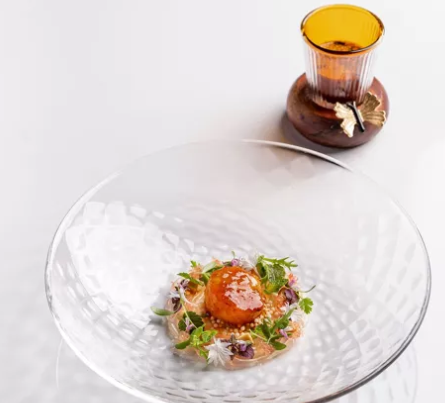
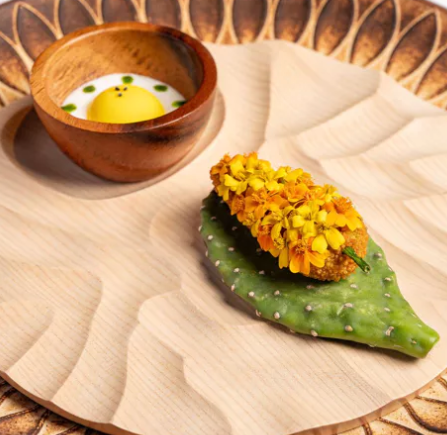
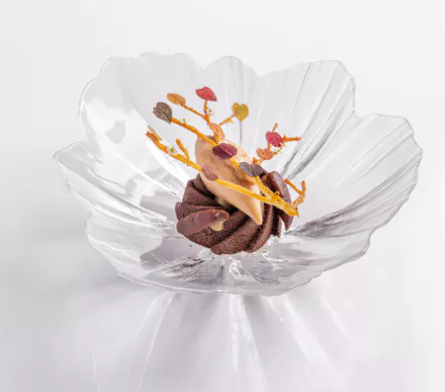
The first acts of the “Rising India” menu will immediately disorient your senses in a good way, thanks to the brilliant contrast of hot and cold, crispy and smooth. For example, the Shiso Leaf Chaat will come to your plate in the form of a tempura-fried leaf that shatters at the slightest touch. It will then have a cold yogurt and sweet-tangy chutney emulsion placed atop it. This will create a fascinating inner dialogue between the crispy chaat and the cold yogurt and chutney. After this, your next appetizer could be the Smoked Mushroom Galouti, which will have a completely different sensory profile. This appetizer is extremely soft and pâté-like, melting at the slightest touch while exuding the aroma of charcoal smoke. This constant disorientation will ensure that your senses do not become bored with the sheer complexity of the spices. In addition to this, the presentation of the appetizers, such as being placed on a stone or a bed of moss, will also connect the food to the natural landscapes of India.
The Signature Main Course: The Modern Sadhya
The absolute crown jewel of the experience, however, is the Modern Sadhya, an incredible reinterpretation of the classic Kerala harvest feast. As the platter arrives, the scent of fresh curry leaves, toasted coconut, and mustard seeds immediately fills the air, instantly transporting you to the tropical backwaters of Southern India. The presentation of the dish itself is an exercise in geometric art, as instead of being placed on a simple banana leaf, you are instead treated to a custom-designed plate featuring over two dozen individual components. As you take your first bite, the complexity of the dish is staggering. Perhaps you will begin with the creamy coconut-based “Olan,” followed by the tangy fermented “Inji Puli” ginger jam. The variety of textures, from the silky smoothness of the lentils to the satisfying crunch of the miniature papadom, will keep you guessing. The interplay of flavors ensures that the heat of the spices never overpowers the delicate sweetness of the locally sourced produce. It is a dish that demands to be consumed entirely, as every bite offers a slightly different combination of flavors. The final result of this dish is to show that traditional vegetarian cuisine can be every bit as luxurious.
The Elite Tip: Sourcing the Extraordinary
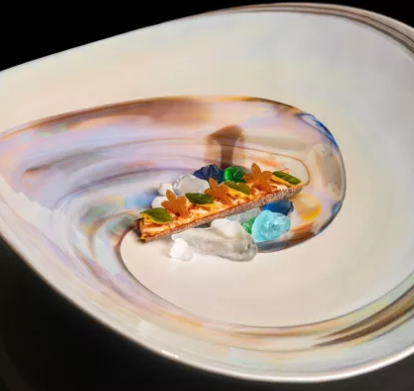
In order to fully understand the scope of the offerings, one should carefully examine the origin of the ingredients used. It should be noted that the establishment often employs Kashmiri Saffron, which, as its name suggests, has a distinctive deep crimson color and an overpowering, floral taste that can enhance even the most mundane desserts. It should also be noted that some dishes may feature Grade A5 Miyazaki Wagyu, though this meat is often marinated with Indian pickling spices like “Achari” to offset its fatty content. It should also be noted that one should always ask the sommelier about the Gondhoraj lemos that are used with the seafood dishes, as this rare citrus fruit, which originates in West Bengal, has a distinctive, perfume-like quality that cannot be replicated by regular limes.
The Sweet Ending: Technical Mastery in Sugar
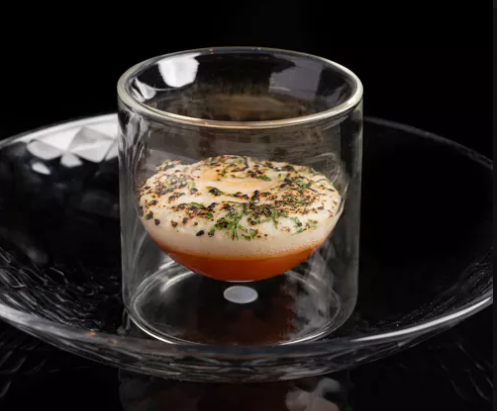
The dessert course at Trèsind Studio is intended to be technologically impressive instead of being overly sweet. A good example of this is the Honeymoon dessert, which may include architectural elements such as honeycombs and milk skins. Advanced techniques have been used to transform milk into different forms, such as “Malai” foam or dehydrated milk crumbles. This ensures that the dessert is not only light and airy but also avoids the usual heaviness that comes with Indian desserts. Additionally, the use of floral waters and infusions from their garden ensures that the dessert is not overly sweet. Moreover, the use of savory elements such as sea salt or black pepper ensures that there is a new dimension to the dessert. This ensures that the meal comes to a close in a similar manner to how it was handled throughout.
The Beverage Program: Elevated Mixology
This non-alcoholic beverage program is just as innovative as their food menu, which goes to show that one does not necessarily need alcohol to have a complex pairing. Their Papadom Botanic Bar offers “zero-proof” cocktails that use fermentation and cold press techniques. Some cocktails feature ingredients such as charred pineapple and fermented chili, which offer a complexity similar to fine wines. These drinks are even garnished with rare herbs that come from just outside your table. Since they work closely with their kitchen team, they offer a similar flavor profile in their drinks as they do in their dishes. This means that every time you take a sip, your palate will be cleansed or a certain spice will be complemented. Thus, this mocktail pairing is a must for those who want to get the full experience.
Service & Hospitality
The Experience: A perfect Balance of Casual-Chic and Professionalism
In the cutthroat environment of the Dubai food industry, the service in Trèsind Studio represents a new level of “warm precision.” This represents a perfect blend of white-glove service and genuine, personalized “casual chic.” While the staff maintains their sharp, professional demeanor, they also manage to do away with the stiff pretentiousness that is common in traditional three-star settings. Observe that the staff functions like a silent, well-oiled machine, working in perfect synchronization with each other. This, combined with the fact that the kitchen is open, makes it difficult to distinguish between the chefs and the wait staff, thus providing a cohesive experience. This makes it feel like you are in someone’s home as opposed to being in a public establishment. This, in turn, makes it feel luxurious and high-end without ever feeling intimidating or unapproachable. This focus on the human experience is a welcome change in a city that has come to value the former over the latter.
Knowledge: Expert Guidance and Impeccable Culinary Pacing
The staff at Trèsind Studio don’t just take orders; they are highly trained cultural ambassadors with a knowledge base that is just staggering in its breadth and depth. Anyone at your table can expound upon the complex history behind a particular spice blend used in one dish, or the botanical properties of a leaf from their rooftop garden. For example, with the arrival of their “Sadhya” dish, they can expound upon the 20+ components with such clarity and passion that you understand the regional importance of each and every bite. Additionally, the progression of the meal is managed with an intuitive skill that is just masterful. The menu boasts nearly 20 dishes, but you are never made to feel rushed or ignored by the kitchen. The progression from the lighter, cooling dishes to the heavier dishes is perfectly paced to let your palate reset and recover from one dish to the next. If you want to spend a little more time with one particular dish, they have a way of adjusting the pace of the kitchen to your own natural rhythms.
Know Before You Go
Dress Code: Smart Casual & High Chic
If you are planning to have a night out at Trèsind Studio, you should dress in a Smart Casual to Chic style. Since Trèsind Dubai is the crème de la crème of fine dining in Dubai, most people tend to don their best formal wear or separates. While you should avoid wearing anything too casual, such as swimsuits, gym wear, or flip-flop sandals, you should remember that the environment is quite cool because of the air conditioning. Hence, you should bring a light jacket or a pashmina to wear. As you can see, dressing in the appropriate attire helps create the overall “theatrical” effect in the dining area. As a result, your outfit should have the same amount of thought and care that the chefs put into their presentation.
Best Time to Visit: The Golden Hour
The absolute best time to get to the St. Regis Gardens is about 30 minutes prior to sunset. Not only can you grab a coveted seat in a desirable location near the perimeter of the terrace or at the Botanic Bar for a pre-dinner cocktail, but you can enjoy the transition of the sky from a brilliant orange to a rich, dark Arabian blue over the Palm Jumeirah. Plus, arriving early affords you the opportunity to peruse the rooftop urban garden prior to the lighting change. This is a literal “root to table” look at the food that is soon to be consumed. Ultimately, the transition from light to the focused lighting of the dining room is part of the overall emotional journey.
Reservations: A Necessary Strategy
It is imperative to plan and have a strategy in place in order to secure a table at a three-Michelin-starred restaurant. Since there are only 20 seats available per seating, it is compulsory to make reservations in advance, and it is advisable to plan at least one month in advance if you are planning to come over a weekend or a special holiday through their official portal. Additionally, it is important to note that this restaurant usually offers two different seatings for their tasting menu in order to maintain the flow of service. It is advisable to call their concierge if you find that their main room is fully booked in order not to miss out on one of the most sought-after restaurants in the Middle East.
Final Thoughts & Rating
The Final Score: 9.8 / 10
However, Trèsind Studio is not just a restaurant; it is a masterclass in evolution. Earning three Michelin stars is akin to being one of the crème de la crème in the global food scene. And this homegrown hero does justice to this esteemed title. The “Rising India” menu is akin to a masterclass in precision, and the setting in the St. Regis Gardens is intimate. It is not often that one comes across a venue that offers such a high level of innovation and service, but this is precisely what makes this restaurant worth every penny. While the price is on the higher end, as is to be expected from such an ultra-luxurious venue, one must appreciate the fact that the storytelling is as rich as the seasoning in each dish, and this is precisely what Chef Himanshu Saini achieves with such finesse.
Who Is It For?
This is an experience that is tailor-made for the discerning epicurean who seeks intellectual stimulation as much as gastronomic pleasure. If you are a diner who enjoys analyzing the history of an ingredient or experiencing the “magic” of molecular gastronomy, then this is your sanctuary. It is an ideal choice for someone who is celebrating a major milestone, such as a 10th anniversary or a major career success, where the meal must be as impressive as the occasion. It is also an experience for the traveler who seeks out “world firsts” that cannot be replicated anywhere else. If you are a diner who enjoys a meal that tests your taste buds while comforting your soul, then this 20-course tour is an absolute necessity.
CTA:
Have you experienced the culinary magic of Trèsind Studio yet? Which region of India has your palate enjoyed visiting the most? Let us know in the comments section with your favorite dish or your most cherished moment from the night!
If you enjoyed ‘The Elite Food Guide Blog,’ please subscribe and stay tuned for further updates about the world’s best cuisines and dining.